
Croatia destinations are easy to plan once you pick your travel style: UNESCO old towns (Dubrovnik, Split), a city break (Zagreb), food and coastal charm (Istria), islands for swimming and slower days, or national parks and mountains for nature. This page highlights our top places to visit, use it to choose a base for a road trip or island holiday, then open the detailed guides for each destination. Start with our Croatia travel guide if you want a quick overview of regions and planning basics.
| If you want... | Start with... |
|---|---|
| UNESCO cities and history | Dubrovnik or Split |
| Island hopping | Split or Zadar |
| Food and wine | Istria |
| A city break | Zagreb |
| Waterfalls and mountains | Plitvice Lakes and Lika |
| Waterfalls plus islands | Šibenik Region |
| Quiet inland Croatia | Slavonia |
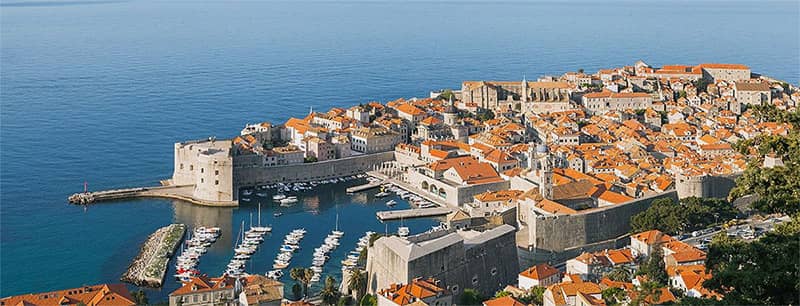
Dubrovnik
Croatia’s most famous destination and a UNESCO World Heritage Site. Dubrovnik is best known for its preserved medieval walls, historic Old Town, and dramatic Adriatic setting. Walk the City Walls for panoramic views, explore hidden streets and monasteries inside the walls, and use the city as a base for nearby island day trips.
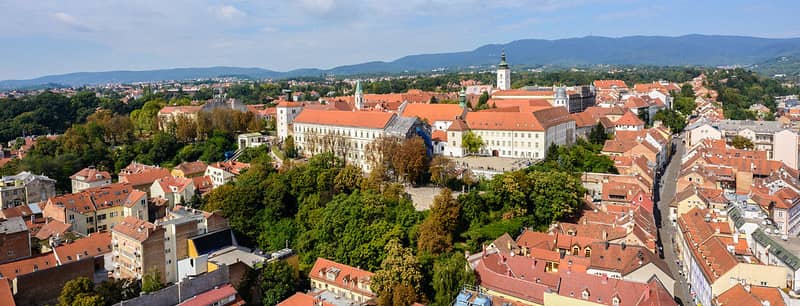
Zagreb
The capital of Croatia and the country’s best city-break destination. Zagreb combines historic Upper Town streets, museums, and markets with a lively café culture centered around the Lower Town. It works well as a short standalone visit or as a starting point for exploring Central Croatia.
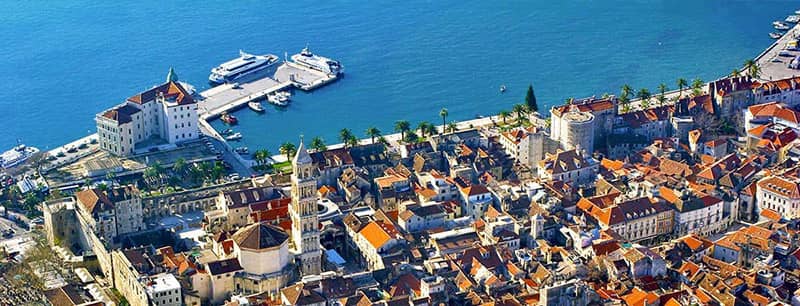
Split
One of Croatia’s most versatile destinations and the main gateway to Dalmatian islands. Split is built around Diocletian’s Palace, a UNESCO-listed Roman complex filled with cafés, shops, and apartments. The city is ideal for sightseeing, beaches, and ferry connections to Brač, Hvar, Vis, Šolta, and Korčula.
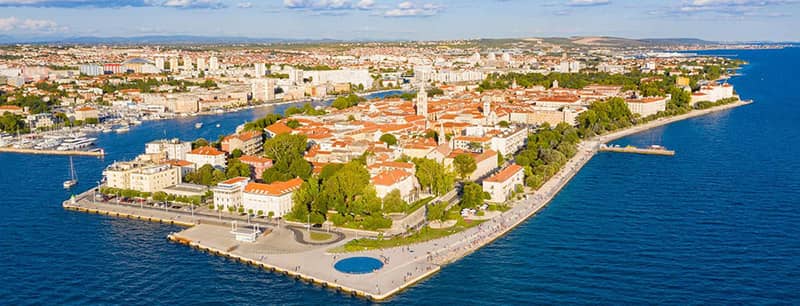
Zadar
A smart base for exploring North Dalmatia, with an easy mix of history, islands, and day trips. In the Old Town you can see Roman and medieval layers, then finish the day on the seafront by the Sea Organ and the nearby Greeting to the Sun light installation. Zadar is also a practical starting point for island hopping and national-park day trips.
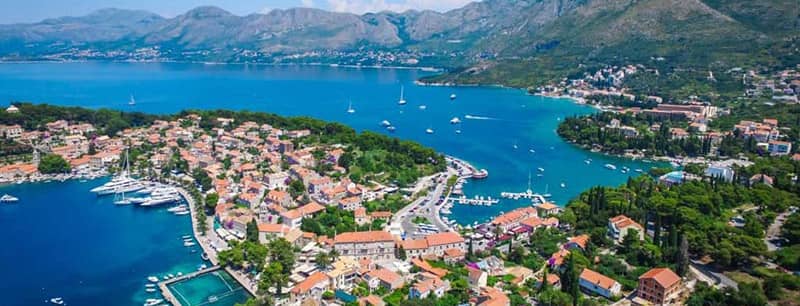
Cavtat
A relaxed coastal town about 20 km south of Dubrovnik, popular as a quieter place to stay while keeping easy access to the city by bus or boat. Cavtat has a walkable harbor promenade, swimming spots, and a calmer pace, ideal for a day trip or a few nights if you want Dubrovnik’s sights without staying in the busiest part of the city.
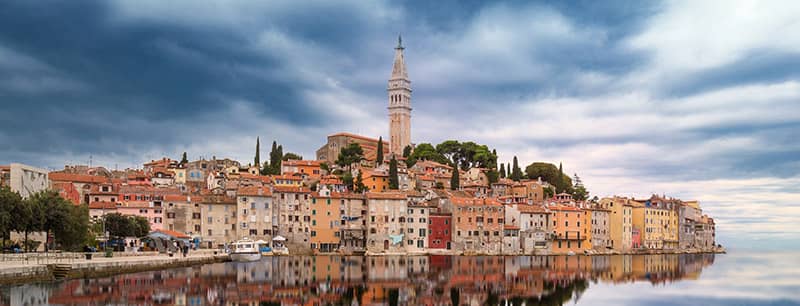
Rovinj
One of Istria’s most iconic old towns, a compact maze of lanes and viewpoints crowned by the Church of St. Euphemia above the harbor. Rovinj is best for slow exploring, sunsets by the waterfront, and using the town as a base for Istrian food-and-wine trips and nearby coastal day trips.
The best Croatia islands to visit
Croatia’s islands are ideal for swimming, coastal walks, and slower-paced days. Many popular islands are easy to reach by ferry from the mainland, making them suitable for both day trips and short overnight stays.
With more than 1,000 islands and islets along the Adriatic coast, many of them uninhabited, choices range from car-free islands near major cities to larger, greener islands with national parks and hiking trails.
Use the islands below to compare atmosphere and access, then open the detailed guides to plan ferries, beaches, and time on the island.
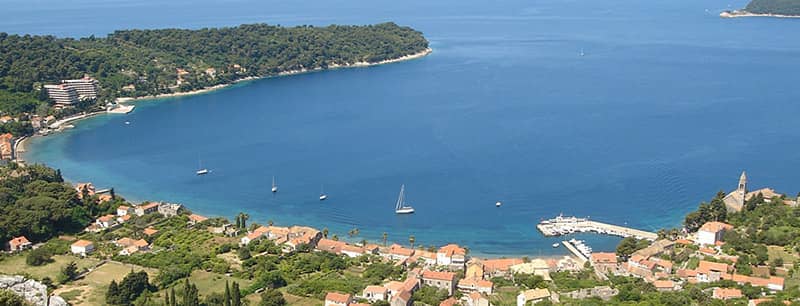
Island Lopud
A small, largely car-free island near Dubrovnik, popular for easy beaches and relaxed walks. Lopud is best known for Šunj beach, one of the rare sandy beaches in southern Dalmatia, and works well as a simple day trip or a quiet overnight stay.
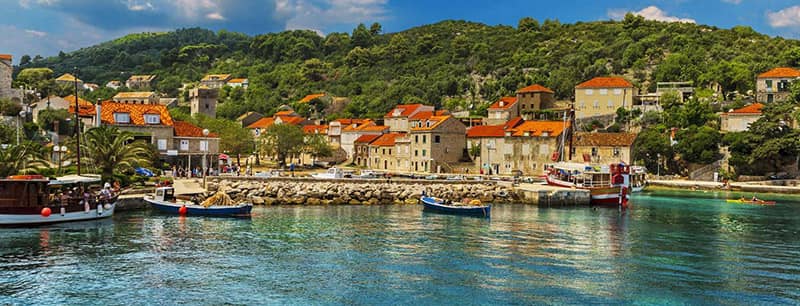
Island Šipan
The largest of the Elaphiti Islands, known for its quiet villages, olive groves, and long coastal walks. Šipan suits visitors looking for space and calm, with historic villas and small bays rather than busy beaches.
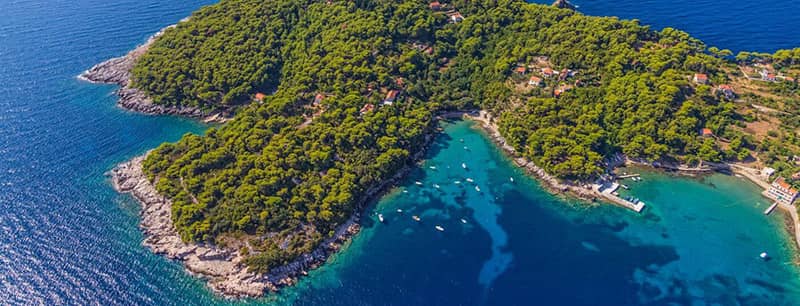
Island Koločep
A green, walkable island with two small settlements connected by a coastal path through pine forest. Koločep is well suited for swimming, short hikes, and escaping city crowds, with frequent ferry connections to Dubrovnik.
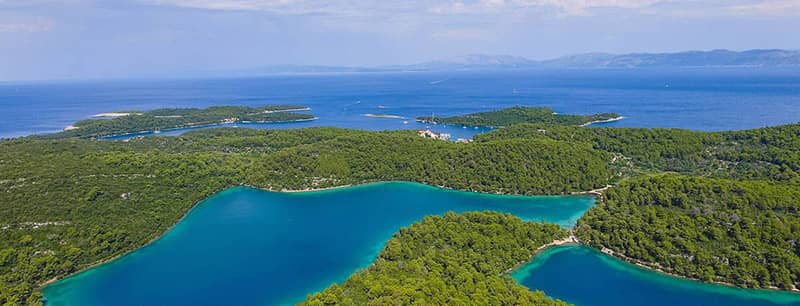
Island Mljet
Mljet is one of Croatia’s greenest islands and is best for nature, swimming, cycling and walking. Its main highlight is Mljet National Park with Veliko and Malo Jezero and the Benedictine monastery on the Isle of St. Mary. Base yourself near the park in Pomena or Polače if easy access to the lakes and trails is a priority.
Choose a Croatia region
If you are not sure where to start, pick a region first. Each region guide helps you match your trip style (history, beaches, food, islands, nature) and choose the best base before you open individual city and island guides.

Southern Dalmatia
Best for Dubrovnik, island day trips, scenic coastline and slower swimming days. A strong choice if you want a mix of UNESCO sights and relaxed coastal time.
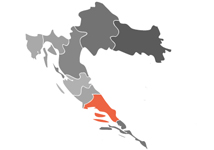
Central Dalmatia
Best for Split, Roman history, beaches, and island hopping. Ideal if you want a hub with frequent ferries and easy day trips along the coast.
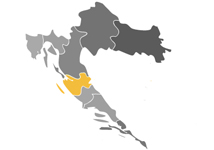
North Dalmatia
Best for Zadar, nearby islands, Paklenica, beaches and nature day trips. A good fit if you want a historic coastal base with easy access to both islands and mountains.
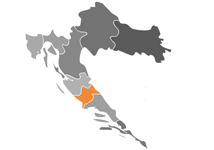
Šibenik Region
Best for Šibenik’s UNESCO heritage, Krka waterfalls, Kornati boat trips and a mix of coast and islands. Choose this region if you want a compact base between Split and Zadar with exceptional day-trip options.
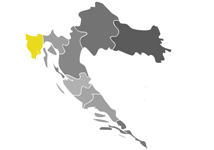
Istria
Best for coastal charm, food and wine, and easy road trips between seaside towns and inland hill towns. A top pick for a slower, culinary-focused itinerary.
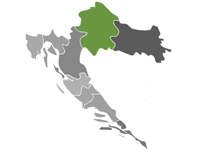
Zagreb & Central Croatia
Best for city breaks, museums, castles, wine country and easy countryside day trips. Choose this if you want an urban base with access to inland Croatia.
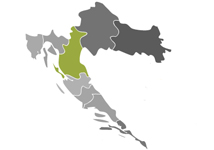
Lika Region
Best for Plitvice Lakes, Velebit hiking, mountain landscapes and quieter inland Croatia. Ideal if you want to add major nature attractions to a Zagreb-to-coast road trip.
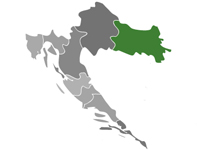
Slavonia
Best for traditional cuisine, wine country, wetlands, Danube towns and a slower inland experience. Choose this if you want to explore Croatia well beyond the Adriatic coast.
Nature & national parks in Croatia
Croatia has eight national parks covering waterfalls, karst lakes, mountains, rivers and island seascapes. The best known is Plitvice Lakes, but other national parks include Krka, Paklenica, Kornati, Mljet, Brijuni, Northern Velebit and Risnjak. Some parks are easy day trips from coastal cities, while others work best as overnight nature stops within a longer itinerary.
When planning your route, most travellers combine one national park with a coastal or inland base, choosing parks based on access, hiking level and travel season.
Plitvice Lakes
Croatia’s most famous national-park landscape: a chain of turquoise lakes linked by waterfalls in a karst setting, protected as a UNESCO World Heritage Site. Plan this as a full day or stay overnight nearby if you want to explore without rushing.
Šibenik Region: Krka & Kornati
A strong base for day trips that combine river scenery and the sea. Krka National Park is known for waterfalls, river canyons and historic sites, while Kornati National Park protects a marine landscape of 89 islands, islets and reefs.
Zadar Region: Paklenica & Velebit
If your idea of nature is hiking and dramatic rock scenery, Paklenica National Park sits on the southern slopes of Velebit and is defined by the canyons of Velika and Mala Paklenica. Combine it with a few coastal days around Zadar for an easy city-and-mountains trip.
Croatia itineraries - choose destinations by trip length
If you plan by trip length first, destination choices become much simpler. These sample combinations use the bases already listed on this page and keep travel days realistic.
3-4 days: one base
- Dubrovnik: Old Town sights + a day trip to nearby islands or Cavtat
- Split: Diocletian’s Palace + beaches + one island day trip
- Zagreb: Upper Town + museums + markets + a Central Croatia day trip
- Rovinj (Istria): Old Town + coastal walks + a food-and-wine day trip inland
7 days: two bases
- Dubrovnik + Split: classic first-time Croatia route with history and island options
- Split + Zadar or Šibenik: Dalmatian cities, islands and easy national-park options
- Zagreb + Istria: city break + coastal towns and inland hill towns
10-14 days: two or three bases + one nature stop
- Dubrovnik + Split + Zadar, with a Plitvice Lakes stop
- Split + islands + Istria, with enough time for the longer transfer between regions
- Zagreb + Plitvice area + Dalmatia, for a balanced inland + coast itinerary
Best time to visit Croatia
Croatia is a year-round destination, but the best time to visit depends on whether your focus is sightseeing, beaches, islands, or nature.
April to June and September to October
The shoulder seasons are ideal for most travellers. Cities and national parks are less crowded, temperatures are comfortable for sightseeing and hiking, and many coastal and island routes are operating, although frequencies vary by route and month. These months are also excellent for a first visit to Dubrovnik without peak-summer crowds.
July and August
Peak summer is best for swimming, island hopping, and coastal nightlife. Expect higher prices, busier cities, and the need to book accommodation and important transport connections ahead, especially in Dubrovnik and on popular islands.
November to March
This period works best for city breaks and inland destinations such as Zagreb. Coastal towns are quieter, some island services run less frequently, and weather conditions can limit some national-park and mountain activities.
Plan your Croatia trip
If you already know your base, the next step is to plan transport and accommodation. These guides help you compare the main options.
- Ferry booking in Croatia
- Rent a car in Croatia
- Find accommodation in Croatia
- Croatia travel information
FAQ - Croatia destinations
What are the best places to visit in Croatia for first-timers?
For a first trip, Dubrovnik or Split are strong choices for historic coastal Croatia, Istria suits food-and-wine trips, Zagreb works well for a city break, and Plitvice Lakes adds a major nature stop. With a week or more, combine two of these rather than trying to see the entire country.
Which part of Croatia should I visit for my first trip?
Choose Dubrovnik and Split for classic Dalmatian cities and islands, Istria for food, wine and road trips, Zagreb for urban culture and inland excursions, or Zadar and Šibenik if you want to combine historic towns with national parks and easier island trips.
How many days do you need in Croatia?
3-4 days works best for one base city such as Dubrovnik, Split, Zagreb or Rovinj. Seven days is a strong first-trip length for two bases. With 10-14 days you can comfortably add islands or a national park without rushing.
Are Croatian islands easy to visit without a car?
Yes. Many island trips work well without a car because ferries connect islands to coastal hubs and most visitors focus on beaches, short walks, and boat excursions. If you want remote coves or inland villages on larger islands, a car can help, but it is not required for many popular trips.
How many islands does Croatia have?
Croatia has more than 1,000 islands and islets along its Adriatic coast. Only a relatively small number are permanently inhabited, while many smaller islands are visited by excursion boat, sailing trip or private vessel.
Is Dubrovnik worth visiting if you are trying to avoid crowds?
Yes, but timing matters. Visit major sights early or later in the day, travel outside July and August if possible, and consider nearby islands or Cavtat when you want a quieter day away from the Old Town.
Which region is best for food and wine?
Istria is one of the strongest choices for food-focused trips thanks to truffles, olive oil, Malvazija, Teran and inland hill towns. Slavonia is another excellent option for wine, traditional cuisine and a quieter inland itinerary.
Do you need to book ferries in advance?
For passenger ferries and catamarans where reservations are available, booking ahead is sensible in peak summer if your itinerary depends on a specific departure. Vehicle-ferry procedures vary by route and operator, so always check the rules for the service you plan to use.